The world of art has been fundamentally transformed by the rise of digital technology. Today, we can use not only pencils, paint, or canvas, but also digital tools that offer virtually limitless possibilities.
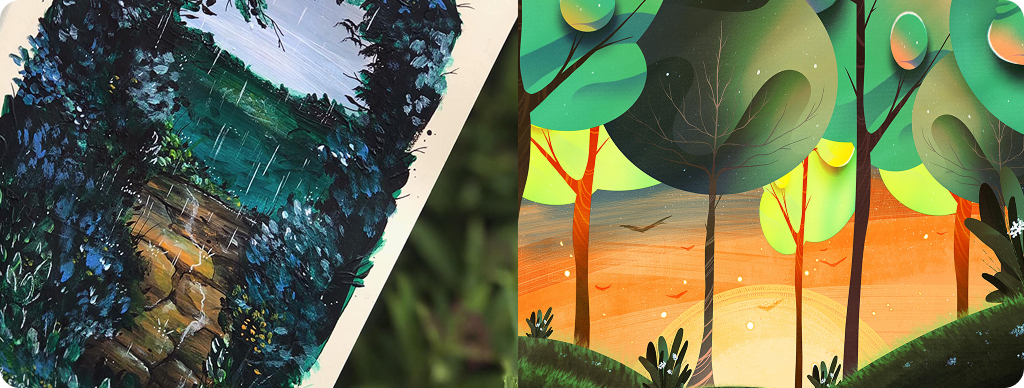
Some still prefer traditional drawing and painting, while others feel at home in the digital world. But which is better? In reality, neither — they simply serve different needs and can complement each other well. Many artists, for example, create their initial sketches by hand and then refine them digitally.
Advantages of Digital Art:
Flexibility and Convenience:
All you need is a tablet or computer and a drawing program. You can create anywhere, anytime — no preparation is required, just open a new canvas and start.
Limitless Possibilities and Editing Features:
Layers, color adjustments, undo — all these allow for continuous experimentation. Digital tools offer tremendous freedom.
Easy Inventory Management and Archiving:
Digital artworks are easy to archive and organize, and since they take up no physical space, there’s no worry about storage. They can also be quickly shared, whether on social media or digitally with others.
Cost-Effective Practice:
Digital art doesn’t require constantly replenishing materials like paper, paint, or canvas. Artists can continuously use the same tools, which can be a cost-effective solution in the long run.
Disadvantages of Digital Art:
Lack of Physical Experience:
Digital tools don’t provide the direct connection to the artwork that traditional drawing offers. The tactile experience of pencil or paint gives sensations that can’t be fully replicated digitally.
Technical Limitations:
Digital art requires appropriate hardware (tablet, computer), and software can often be expensive. Device malfunctions or software compatibility issues can also create challenging situations.
Creativity Constrained by Corrections:
Digital art is easily editable, which can sometimes lead artists to over-focus on perfection. Traditional tools don’t allow for instant corrections, which can encourage a more authentic creative process.
Advantages of Hand-Drawn Art:
Direct Connection with the Art:
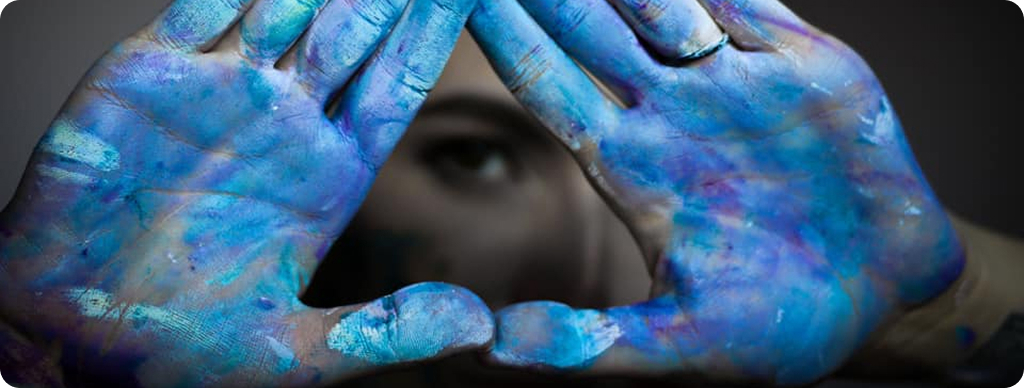
Every stroke and movement comes directly from the artist’s hand, creating a more intimate connection. Traditional tools like pencils, pens, or brushes directly interact with paper or canvas, giving the artist a physical and sensory experience.
Uniqueness and Detail:
While digital art often relies on presets and templates, hand-drawn work is unique; every line is personal. Mistakes, strokes, and individual style give the artwork character.
Complete Creative Freedom:
Hand-drawn art isn’t limited by software tools, so the artist can work entirely freely. There are no layers, expected forms, or technical restrictions regulating the process.
Disadvantages of Hand-Drawn Art:
Limited Toolset:
Hand-drawn art doesn’t have the conveniences of digital tools such as layers, undo functions, or color adjustments. The artist must constantly plan where and how to modify the artwork.
Material Costs:
Traditional art supplies can be expensive, especially for large-scale work. Paper, paints, and brushes all add up.
Mistakes Are Harder to Correct:
Errors in hand-drawn art are harder to fix than in digital art. Mistakes can’t be undone with a click, requiring more time for fine-tuning.
For me, digital and traditional techniques are not mutually exclusive; they complement each other. Each offers a different type of freedom and enjoyment. I often use digital drawing for practical, quick solutions, planning, or when traveling, but my heart always returns to tangible materials. The friction of pencil on paper, the visible depth of brush strokes, the smell of paint — these are experiences nothing can replace.
If I had to choose and could only keep one tool, it would be traditional drawing. That is my true home.
"Technique is just a tool. What matters is having something to say."
— Salvador Dalí